← Home · Foundations

Shallow Foundation Design in Miami, FL

Together, we solve the challenges of tomorrow.

LEARN MORE →

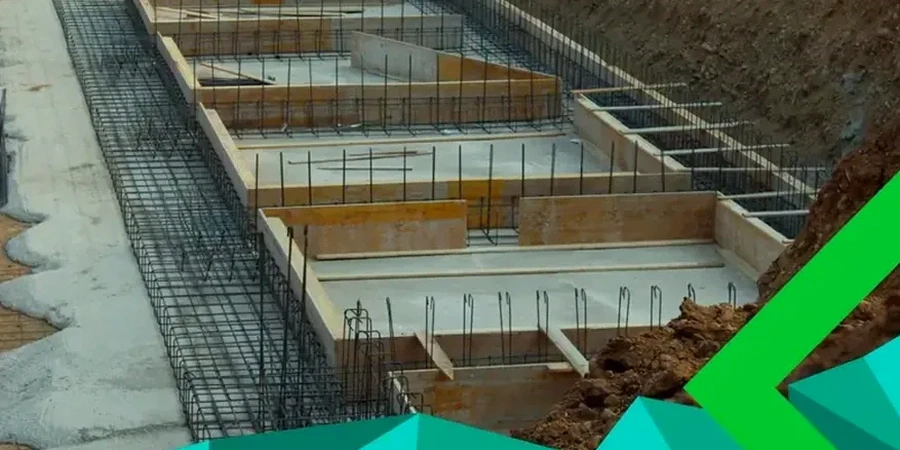
Miami sits on porous Miami Limestone with sand lenses and a water table often less than six feet down. That combination demands a shallow foundation design approach rooted in local stratigraphy, not generic textbook assumptions. Our team works directly with the oolitic limestone and Fort Thompson Formation layers that define bearing capacity across Dade County. For new construction west of Krome Avenue, where the rock dips and overburden sands thicken, we often pair the analysis with plate load testing to verify in-situ modulus before finalizing footing dimensions. Every shallow foundation design we deliver accounts for Miami-Dade’s high groundwater, potential sinkhole activity, and the 180-mph wind loads required under the Florida Building Code.

Miami’s water table sits just five feet down — every shallow footing design here is effectively a submerged bearing analysis.

How we work

A three-story medical office near Coral Gables recently needed spread footings on a site where the limestone surface varied by four feet across the pad. That kind of irregular rockhead is common here. We modeled the bearing strata using data from continuous sampling and ran settlement checks under saturated conditions—because in Miami, the soil is almost always saturated. The shallow foundation design incorporated an undercut and mud-mat where the rock dropped, avoiding differential movement that would crack slab-on-grade connections. When overburden sands exceed five feet, we complement the rock profile with SPT drilling to measure relative density and confirm that a stiffened edge footing or a thickened slab on grade is sufficient. The design must also consider scour potential if the site drains toward a canal, which many Miami lots do.
Shallow Foundation Design in Miami, FL
Technical reference image — Miami

Local considerations

A CPT rig pushing through Miami caprock tells the story: refusal on dense limestone at seven feet, then a sudden drop into a clay-filled cavity at eleven feet. That’s the karst signature. Shallow foundation design here ignores it at the project’s peril. A footing placed over an undocumented raveling zone can settle abruptly after the first heavy rainy season, when groundwater flow reactivates piping into the Biscayne aquifer. We map these anomalies with a grid of electric cone soundings before locking in bearing elevations. The Florida Building Code requires sinkhole investigation for sites in designated zones, and Miami-Dade adds stricter threshold criteria for insurance certification. Even on clean limestone, solution-widened joints create preferential drainage paths that soften overlying sand. Proper shallow foundation design means either bridging those features with reinforced footings or excavating the soft pocket and backfilling with lean concrete before placing the footing.

Need a geotechnical assessment?

Reply within 24h.

Email: contact@geotechnical-engineering1.org

Technical data

ParameterTypical value
Bearing stratumMiami Limestone / Fort Thompson Fm. / Sand
Typical allowable bearing pressure (rock)8–20 ksf per local geotechnical reports
Typical allowable bearing pressure (sand)2–4 ksf after groundwater correction
Minimum footing embedment depth18–24 inches per Florida Building Code
Water table depth (typical)3 to 8 ft below grade
Wind design standardASCE 7-22 Risk Category II, 180 mph ultimate
Karst/sinkhole screeningCPT refusal + limestone core recovery > 50%

Related services

01

Spread Footing Design

Isolated and combined footings sized for Miami Limestone bearing capacity with settlement checks under saturated conditions. Wind tie-down anchorage specified per ASCE 7-22.

02

Mat Foundation Analysis

Stiffened raft design for sites with variable rockhead or thick sand overburden. Includes subgrade modulus derivation from plate load or SPT data.

03

Slab-on-Grade & Stiffened Edge Footings

Design for residential and light commercial slabs, integrating vapor barrier requirements, underslab drainage, and termite protection details per FBC.

Applicable standards

Florida Building Code 2023 (Building), Chapter 18 – Soils and Foundations, ASCE 7-22 – Minimum Design Loads for Buildings and Other Structures, ASTM D1586 – Standard Penetration Test (SPT) for subsurface investigation, ASTM D2487 – Classification of Soils (Unified Soil Classification System)

Common questions

What does a shallow foundation design package cost for a Miami project?

For a typical single-family or small commercial building in Miami-Dade County, shallow foundation design runs between US$1,730 and US$2,710. The final figure depends on the number of borings or CPT soundings required, the complexity of the karst investigation, and whether the site falls within a Coastal High Hazard Area.

How deep do footings need to be in Miami?

The Florida Building Code requires a minimum embedment of 18 to 24 inches below finished grade. In practice, we often go deeper to seat the footing on competent limestone and stay below the active moisture fluctuation zone, which reduces the risk of edge lift in expansive surface sands.

Does Miami limestone require special foundation design?

Yes. Miami Limestone is a soft, porous carbonate rock that can contain solution cavities and irregular pinnacles. We verify rock quality through core recovery and CPT refusal data, then adjust footing dimensions to bridge or undercut weak zones so the foundation does not rely on unreliable bridging over voids.

Is a sinkhole investigation mandatory for shallow foundations in Miami?

Not always mandatory, but Miami-Dade County requires karst screening when site history or geology suggests sinkhole potential. If CPT soundings or borings reveal cavities or raveling zones, we map them and design footings that bypass those features, which also helps satisfy insurer requirements for sinkhole coverage.
Location and service area

We serve projects in Miami and surrounding areas.

View larger map