← Home · Investigation

SPT Testing in Miami: The Data That Keeps Foundations Dry

Together, we solve the challenges of tomorrow.

LEARN MORE →

The most expensive mistake in Miami construction is not the SPT test. It is the excavation that floods because nobody checked the blow count at the water table. Miami sits on a razor-thin margin. The Biscayne Aquifer is just a few feet down. You hit it wrong and the whole site turns into a pond. That delays the job. That bleeds money. We run SPT tests that map exactly where the soil transitions from dense sand to soft limestone. The rig penetrates standard 18-inch increments. The hammer drops 140 pounds from 30 inches. The number of blows tells you everything. Builders across Dade County use this data to design dewatering systems, size footings, and avoid the kind of surprises that bankrupt a project. When you need CPT testing for continuous profiling in saturated zones, or a test pit to visually confirm the strata, we coordinate both from the same mobilization.

In Miami, the difference between 8 blows and 15 blows at 12 feet is the difference between a dry excavation and a flooded one.

How we work

Miami's geology punishes assumptions. The coastal ridge is mostly Miami Oolite. Hard on top. Soft underneath. But drive ten miles west toward the Everglades and you hit organic peat and loose sand that compresses under load. The SPT must adapt fast. We log every 2.5 feet and split the spoon sample immediately. The field engineer checks moisture, color, and carbonate content right at the rig. That is how we catch a thin lens of compressible marl before it becomes a differential settlement problem. The lab then runs grain size distribution per ASTM D2487. You get a boring log that reads like a story of the site. It tells you where the limestone is fractured. Where the sand is loose. Where the water will come in. For deep foundation design, many engineers pair this data with pile analysis to verify end-bearing capacity in the underlying Fort Thompson Formation.
SPT Testing in Miami: The Data That Keeps Foundations Dry
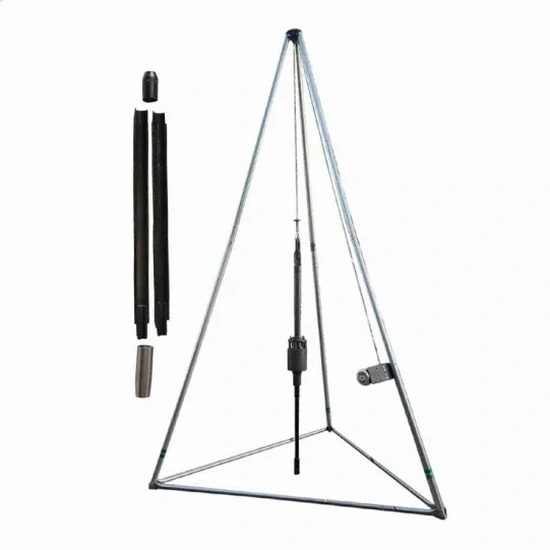
Technical reference image — Miami

Local considerations

We see it often on Miami Beach jobs. A contractor drills through the cap rock and hits a cavity. The rod drops two feet with zero blows. That is a void. If you miss it, the foundation slab cracks within the first year. Miami's karst limestone is full of these. Solution channels. Dissolution pipes. Old coral reef voids. The SPT log flags them instantly. The N-value goes to zero. Then we recommend a grouting program to fill the cavity before construction proceeds. Another risk is liquefaction in loose saturated sand—Miami-Dade is in a moderate seismic zone per ASCE 7. Sites east of US-1 near the bay are especially vulnerable. The SPT N-value feeds directly into the simplified procedure for liquefaction triggering analysis. Skip the test. Skip the safety margin. That is a gamble no structural engineer will sign off on.

Need a geotechnical assessment?

Reply within 24h.

Email: contact@geotechnical-engineering1.org

Technical data

ParameterTypical value
Hammer typeSafety hammer (donut optional)
Hammer weight140 lb (623 N)
Drop height30 in (0.76 m)
Standard penetration interval18 in (split spoon sampler)
Typical boring depth in Miami15 to 50 ft below grade
Sample recoverySplit spoon, ASTM D1586 compliant
Reporting standardN-values per ASTM D1586 / IBC 2021

Related services

01

SPT for Foundation Design

We drill and log SPT borings at the precise column and footing locations. The N-values correlate directly to allowable bearing pressure. For mat foundations on Miami's compressible soils, we provide settlement estimates using Schmertmann's method. The report includes boring logs, soil descriptions per ASTM D2487, and groundwater level data measured 24 hours after drilling.

02

SPT with Liquefaction Screening

For sites in Seismic Design Category C or higher, we run SPT borings to 50 feet or refusal. The raw N-values are corrected for overburden, hammer energy, and fines content. We apply the Seed & Idriss (1971) simplified procedure as updated by Youd et al. (2001). The deliverable is a factor of safety against liquefaction for each critical layer, formatted for the structural engineer of record.

Applicable standards

ASTM D1586-18: Standard Test Method for Standard Penetration Test (SPT) and Split-Barrel Sampling of Soils, ASTM D2487-17: Standard Practice for Classification of Soils for Engineering Purposes (Unified Soil Classification System), IBC 2021 / Florida Building Code 8th Edition: Geotechnical investigation requirements, ASCE 7-22: Minimum Design Loads and Associated Criteria for Buildings and Other Structures (seismic site class determination)

Common questions

How much does an SPT boring cost in Miami?

A single SPT boring to 20 feet depth in Miami-Dade typically runs between US$600 and US$850. That includes the drilling crew, the split spoon sampling every 2.5 feet, field logging, and the final typed boring log with N-values and soil descriptions. Cost goes up if you need deeper borings, multiple boreholes, or specialized access like a limited-access rig for tight urban lots in Brickell or Coral Gables.

How deep do SPT borings need to go in Miami?

It depends on the foundation type and the site location. For a typical shallow foundation east of I-95, we usually drill to 20 or 30 feet. That gets you through the Miami Oolite into the underlying sand or Fort Thompson limestone. For deep foundations or sites near the bay with liquefaction concerns, we go to 50 feet or until we hit consistent refusal (N>50 for 18 inches). The Florida Building Code requires the boring depth to extend below all unsuitable layers.

What makes Miami SPT testing different from other regions?

The water table. In most of Miami-Dade, groundwater is at 4 to 6 feet below grade. That means half your boring is underwater. We use mud rotary or hollow-stem augers to keep the hole open and collect undisturbed samples below the water table. The other factor is the limestone—Miami Oolite is soft and porous, with cavities. You can lose circulation suddenly. Our drillers know how to case off the rock and keep the boring advancing.

How long does an SPT investigation take?

A single boring to 30 feet takes about half a day of field work. We mobilize the drill rig early, set up, drill, log, and demobilize. The lab work on the split spoon samples takes another 2 to 3 business days. You will have the draft boring logs within 3 to 4 days of the field work. A full geotechnical report with bearing capacity and settlement analysis takes about 7 to 10 business days from the date of drilling.
Location and service area

We serve projects in Miami and surrounding areas.

View larger map